
A Step-by-Step Guide for Career Women Under Pressure to Find a Way Out
Do you feeling overwhelmed at work from time to time? Are you a driven woman climbing the career ladder, but lately feeling overwhelmed, stressed, and unable to see a way out? Do deadlines, high expectations, and relentless responsibilities leave you exhausted, questioning if this pressure is sustainable? If so, you’re not alone. Many ambitious women face intense pressure at work, balancing high stakes with personal life, often feeling trapped in a cycle that drains their energy and joy.
The good news? You don’t have to stay stuck or let stress rule your life. This comprehensive, step-by-step guide is here to help you step back, assess your situation, and craft a path toward clarity, balance, and renewed strength. Whether you’re considering a career change, seeking better boundaries, or simply need practical tools to handle work pressure, this guide offers actionable steps to help you regain control and find your way forward.
Let’s get started — because your well-being and happiness are worth it.
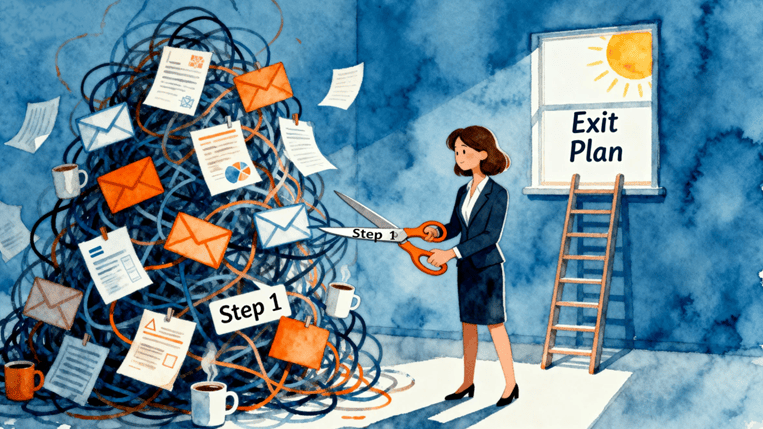
Why Do Women Feel Overwhelmed at Work? Understanding the Roots of Pressure
Before we dive into solutions, it’s essential to understand why women often feel overwhelmed in the workplace:
- High performance expectations: Women are often expected to excel and juggle multiple roles flawlessly.
- Work-life balance struggles: Combining demanding careers with family or personal commitments creates tension.
- Imposter syndrome and self-doubt: Feeling like you’re not enough or fear of failure leads to overworking.
- Lack of boundaries: Difficulty saying “no” or setting limits causes burnout.
- Toxic or unsupportive work environments: Discrimination, bias, or lack of recognition exacerbate stress.
- Unrealistic societal pressures: Cultural expectations about women’s roles can add guilt and anxiety.
Recognizing these factors helps you identify what’s fueling your stress and where to focus your energy for change.
Step 1: Pause and Take Stock — Recognize and Accept Your Feelings
Why It’s Critical:
Under pressure, your first instinct might be to push harder, but true change begins with self-awareness. Acknowledging your feelings without judgment is the first step to clarity.
How to Do It:
- Dedicate 15-20 minutes to sit quietly and reflect.
- Write down how you’re feeling — stressed, anxious, exhausted, frustrated, or overwhelmed.
- Identify specific situations that trigger these feelings.
Reflection Prompts:
- What aspects of my work are causing the most stress?
- When do I feel most overwhelmed?
- Are there recurring patterns or triggers?
Pro Tip: Label your feelings—distinguish between stress, burnout, anxiety, or frustration—to better understand your emotional state.
Step 2: Define Your Core Values and Priorities
Why It Matters:
In the pursuit of success, women often lose sight of their core values. Clarifying what truly matters helps you set boundaries and focus on what brings fulfillment.
How to Do It:
- List your top 5 values (e.g., health, family, achievement, independence, creativity).
- Reflect on how your current work aligns or conflicts with these values.
- Prioritize tasks and projects based on alignment with your core principles.
Practical Exercise:
Create a “Values Alignment Chart” to evaluate each of your responsibilities and commitments.
Example:
If health and family are your top priorities, but your job demands long hours, you’ll need to strategize how to realign your workload or set boundaries.
Step 3: Conduct a Personal Stress and Workload Audit
Why It’s Critical:
Understanding your workload and stressors helps you identify what’s manageable and what’s unsustainable.
How to Do It:
- Keep a stress journal for a week: note daily stress levels, workload, and triggers.
- List all your responsibilities—both professional and personal.
- Evaluate which tasks are essential, which can be delegated, and which to eliminate.
Action Tip:
Use a simple Eisenhower Matrix (urgent vs. important) to prioritize tasks.
Example:
You might realize that attending non-essential meetings or taking on extra projects is increasing your stress without adding value.
Step 4: Set Boundaries and Learn to Say No
Why It’s Essential:
Women often struggle with setting limits, leading to overcommitment and burnout. Boundaries are vital for mental health and productivity.
How to Do It:
- Identify your non-negotiables (time, energy, health).
- Practice polite but firm ways to say “no” or delegate tasks.
- Schedule protected time for rest, family, and self-care.
Practical Script:
“I appreciate the opportunity, but I won’t be able to take on this additional responsibility right now.”
Tip:
Start small—gradually increase your comfort level with boundary-setting.
Step 5: Explore Flexible Work and Support Options
Why It’s Powerful:
Flexibility can dramatically reduce pressure, help you regain control, and improve your mental health.
How to Do It:
- Research options like remote work, flexible hours, or part-time roles.
- Discuss flexible arrangements with your employer.
- Consider job-sharing, freelancing, or consulting if suitable.
Action Exercise:
Create a list of flexible work opportunities aligned with your skill set and lifestyle.
Example:
If commuting is a stressor, explore remote job options or negotiate hybrid schedules.
Step 6: Reassess Your Skills and Develop a Growth Plan
Why It’s Empowering:
Feeling overwhelmed often stems from feeling underprepared. Updating skills boosts confidence and opens new avenues.
How to Do It:
- List your current skills and accomplishments.
- Identify skill gaps that, if filled, could reduce workload or open new opportunities.
- Enroll in online courses, workshops, or coaching programs.
- Practice new skills in real projects or side initiatives.
Example:
Learning time management techniques or leadership skills may help you handle responsibilities more effectively.
Step 7: Cultivate Mindfulness and Self-Care Practices
Why It’s Necessary:
Stress management tools help you stay centered and prevent burnout.
How to Do It:
- Incorporate daily mindfulness exercises (meditation, breathing, gratitude journaling).
- Prioritize sleep, nutrition, and physical activity.
- Schedule regular self-care activities—no guilt allowed.
Pro Tip:
Start with 5-minute mindfulness sessions; gradually increase as you feel more comfortable.
Step 8: Seek Support and Build Your Network
Why It’s Vital:
You don’t have to face pressure alone. A strong support system provides encouragement, advice, and relief.
How to Do It:
- Connect with other women professionals through networking groups or online communities.
- Find a mentor or coach for guidance.
- Share your feelings and challenges with trusted friends or family.
Example:
Joining a women’s leadership group can provide perspective and practical tips for managing pressure.
Step 9: Reframe Your Mindset and Practice Self-Compassion
Why It’s Powerful:
Your mindset influences how you perceive and handle pressure. Cultivating self-compassion reduces guilt and builds resilience.
How to Do It:
- Practice positive affirmations: “I am enough,” “I am doing my best.”
- Reframe setbacks as learning opportunities.
- Limit negative self-talk and comparison.
Visualization Exercise:
Imagine handling stressful situations with calm and confidence—see yourself as resilient and capable.
Step 10: Create a Long-Term Action Plan and Reassess Regularly
Why It’s Important:
Change takes time. Regularly reviewing your progress helps you stay on track and adapt.
How to Do It:
- Set SMART goals for reducing stress and improving work-life balance.
- Schedule monthly check-ins to evaluate what’s working.
- Be flexible—adjust your strategies as needed.
Final Tip:
Celebrate your progress, no matter how small. Every step forward counts.
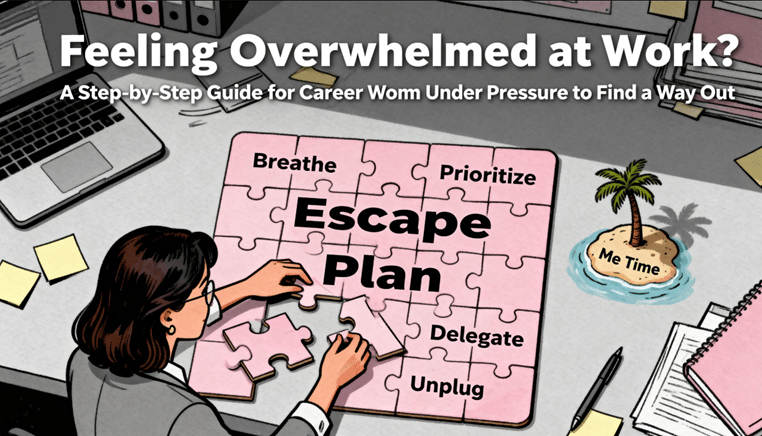
Final Words: You Can Overcome Overwhelm and Reclaim Your Power
Feeling under great pressure at work is exhausting, but it doesn’t have to define your life. By taking these deliberate steps, you’ll gain clarity, regain control, and develop resilience. Remember, you’re not alone—many women have faced similar struggles and emerged stronger.
Your well-being is a priority. You deserve to thrive professionally and personally. The power to change your situation starts with you—today.
Call to Action
Feeling overwhelmed? Share your struggles or success stories below. Need personalized guidance? Reach out for coaching or support. And if this article resonated, share it with fellow career women needing a way out of stress and burnout. You’re not alone, and help is available.